

Access your own patient portal, provided by NCSH.

Orthopedics
What Is Dorsalgia? Understanding Back Pain Causes and Symptoms: When to See a Specialist
Tue, May 27, 2025

Back pain, also known as dorsalgia, is a very common complaint. Dorsalgia is classified by the location in the back where you experience symptoms. Many factors can cause back pain, and there are several treatment options. If your pain doesn’t resolve with rest and other home remedies, a back and spine orthopedic specialist can help.
What Is Dorsalgia?
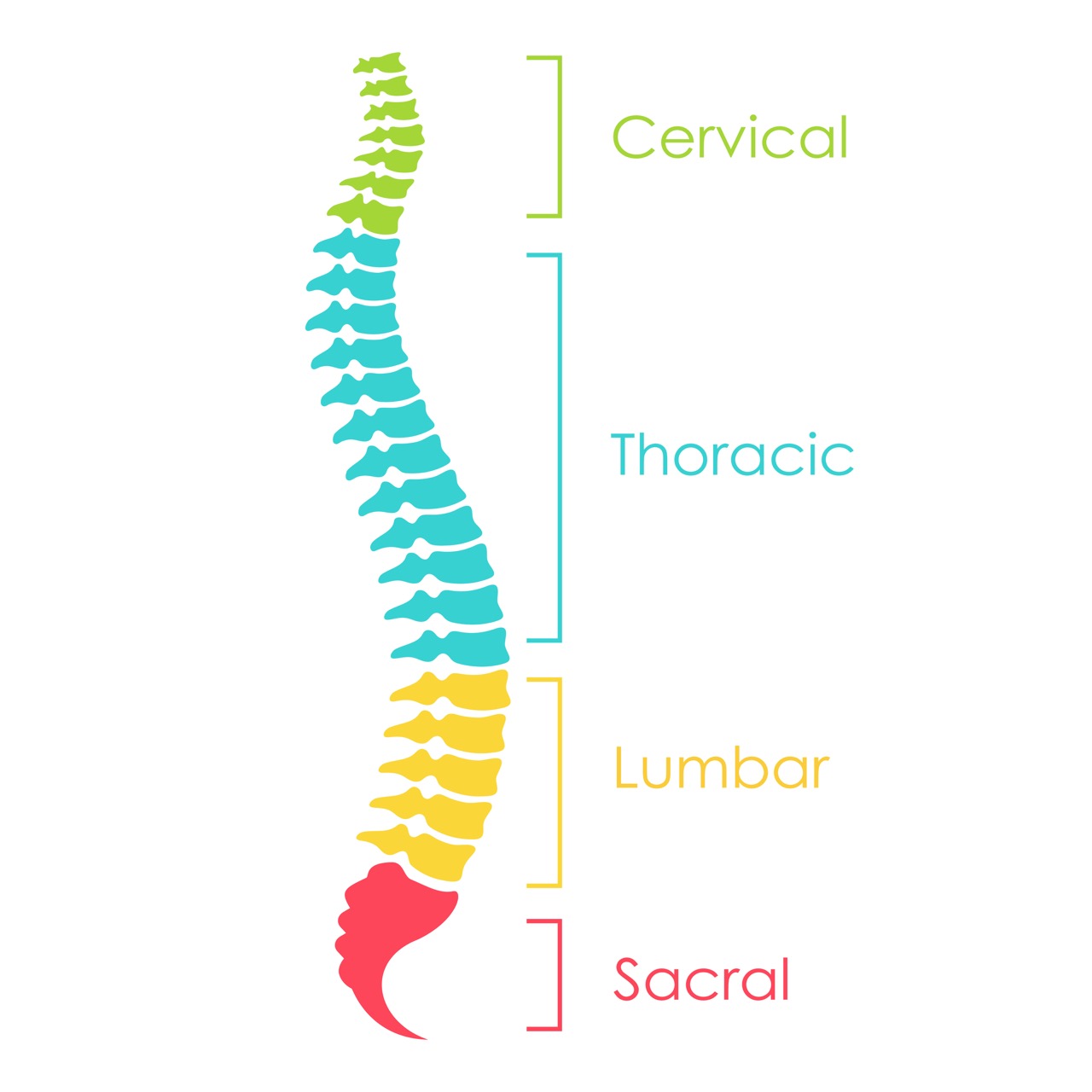 Dorsalgia simply means back pain. It’s a very general term that refers to pain from any of several causes. Back pain can be accompanied by other symptoms, like tension or tingling sensations. Dorsalgia can be divided into a few types based on where in the back you have pain.
Lumbar Dorsalgia
Lumbar dorsalgia is pain in the lumbar region, which is the lower back. It may also include pain in the sacrum. The sacrum is made up of five fused vertebrae and sits between the lumbar region and the tailbone.
Thoracic Dorsalgia
Thoracic dorsalgia is pain in the middle of the back, in the thoracic vertebrae of the spine.
Cervical Dorsalgia
Cervical dorsalgia is pain in the cervical vertebrae, which are in the neck.
What Is Dorsalgia Unspecified?
The term dorsalgia unspecified is used to describe general back pain without a specified cause. It can also refer to pain that is not specific to one area of the back.
What Are the Symptoms of Dorsalgia?
Pain is the characteristic symptom of dorsalgia. The pain can be acute, meaning it is sudden and lasts only a short time. It can also be chronic, meaning the pain lasts three months or longer. The pain may change with activity or when standing or sitting.
Dorsalgia pain may originate in the back but radiate to other areas of the body. You might also experience numbness or tingling sensations.
What Causes Dorsalgia?
Many conditions and injuries can cause back pain. There may be multiple causes. Understanding the causes of dorsalgia is essential for relief.
Some common causes of back pain are easy to correct. For example, poor posture or hunching over a computer all day can cause back pain or neck pain. Repetitive motion or overdoing exercise can also cause back pain.
Other causes of dorsalgia include injuries and structural issues with the spine and surrounding tissue:
- Sprain or Strain – injuries to the ligaments, muscles, or tendons that support the spine
- Fracture – a break in a vertebra
- Degenerative Disc Disease – deterioration of the cushioning discs between vertebrae
- Herniated Disc – a disc rupturing and emerging from between vertebrae
- Spondylolisthesis – a vertebra slipping out of position in the spine
- Spinal Stenosis – narrowing of the spinal canal
These are some common causes of back pain related to spinal structure. Other conditions not directly related to the spine—like kidney stones, endometriosis, tumors, or infections—can also cause back pain.
How Is Dorsalgia Diagnosed?
Dorsalgia is easily diagnosed by describing your symptoms. However, diagnosing the underlying cause can be more complicated. After a physical exam and description of your symptoms and medical history, a specialist may order one or more tests.
Imaging scans are especially useful in diagnosing structural causes of dorsalgia. X-rays image the bones and can diagnose fractures and alignment issues. An MRI or CT scan is more useful for looking at soft tissue to diagnose problems with discs, ligaments, tendons, and nerves.
Your doctor might use electromyography to measure electrical activity and diagnose causes related to muscles and nerves. Blood tests may be useful in diagnosing or ruling out medical conditions that can cause back pain.
How Is Dorsalgia Treated?
 Treatments for dorsalgia vary depending on the underlying cause of pain, its severity, and whether it is acute or chronic. Many people with back pain respond very well to conservative treatments. These include:
- Over-the-counter or prescription pain medications
- Changes in activities
- Physical therapy
- Steroid injections
When conservative treatments don’t help, surgery may be an option. Again, the type of surgery depends on the underlying cause. Some examples include:
- Laminotomy or Laminectomy – These procedures remove some bone tissue to relieve pressure on nerves or the spinal cord.
- Discectomy – In this procedure, the surgeon removes part or all of a herniated disc.
- Disc Replacement – A worn-out or damaged disc can be replaced with an artificial disc.
- Fusion – Fusion procedures fuse parts of the vertebrae together, which prevents movement.
- Kyphoplasty – During kyphoplasty, the surgeon inserts a type of cement in or around a damaged vertebra.
When Should I See a Specialist for Dorsalgia?
Back pain is very common and often gets better with rest or conservative measures at home. If your pain is sudden, severe, a result of trauma, or chronic, you should see a specialist. They can find the underlying cause and provide treatment options to help you get relief.
Learn more about back and spine conditions and injuries and how a specialist can help you get relief from dorsalgia.
RELATED NEWS
Top 5 Mistakes To Avoid During Your Knee Replacement Recovery
Learn the top knee replacement recovery mistakes, from avoiding physical therapy after knee surgery to ignoring pain and warning signs.
Continue Reading

Minimally Invasive Spine Surgery vs. Traditional Surgery
Compared to traditional spine surgery, minimally invasive procedures use smaller incisions, reduce risks, and lead to a faster, less painful recovery.
Continue Reading

Knee Replacement Recovery Time: Your Questions Answered
If knee pain has brought you to the point of considering surgery, you’re likely thinking beyond the procedure itself; you’re thinking about recovery. How long will it take? What will progress look like week by…
Continue Reading
Stay Current
Educational Articles & More
View News & Press