

Access your own patient portal, provided by NCSH.

Ear, Nose & Throat
What To Expect: Your Guide to Recovery From Thyroid Surgery
Tue, Aug 26, 2025
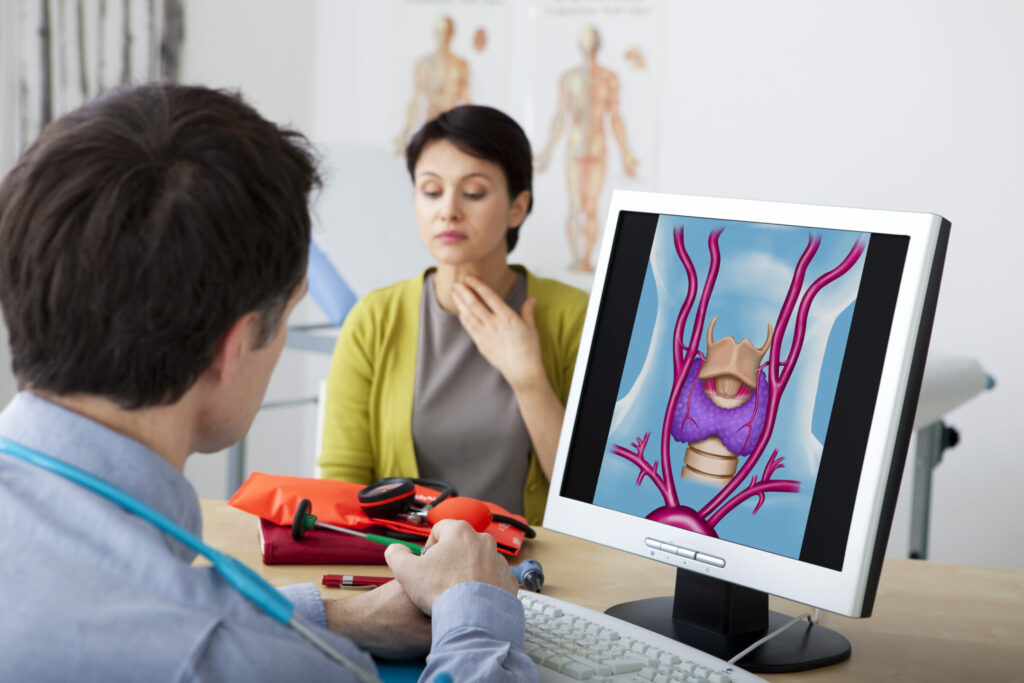
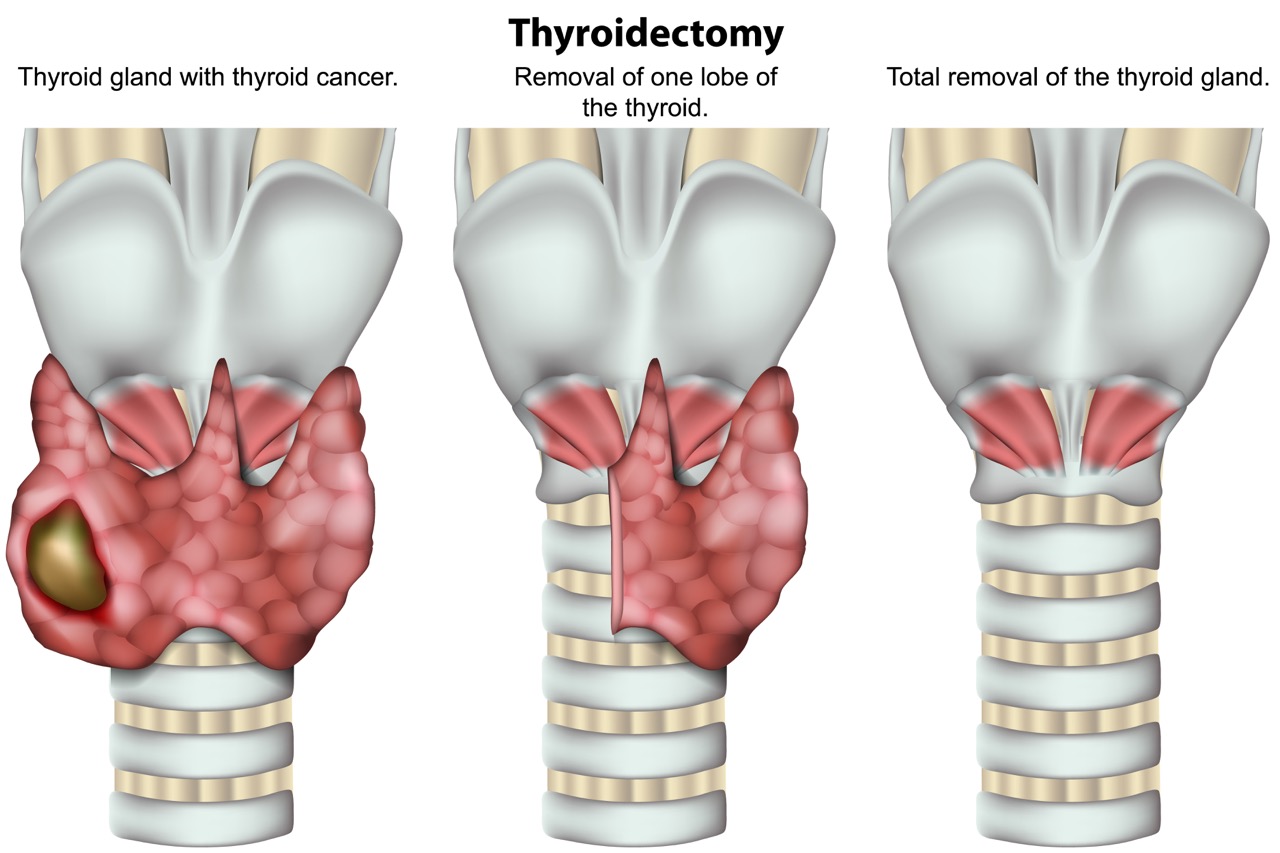
Thyroidectomy procedures remove part or all of the thyroid, a gland in the neck. You might need this surgery if you have thyroid cancer, a potentially cancerous nodule, or a nodule causing symptoms. Thyroid surgery recovery time varies by individual, but most patients resume normal activities within a few weeks.
What To Expect After a Thyroidectomy
While some patients can be discharged on the day of their surgery, it isn’t uncommon to spend one night in the hospital. Most patients are ready to get up, walk around, and eat and drink either the day of or the day following their procedure.
Most patients need only over-the-counter medications to manage their pain in recovery. You might also need to eat soft foods or limit yourself to liquids for a few days to help increase your comfort.
During some procedures, it is necessary to remove the parathyroid glands, which regulate calcium levels. Your doctor may want to monitor your calcium levels or suggest supplements.
The recovery timeline varies by individual, but you should be able to eat and drink limited foods right away and resume most normal activities in a few days. Many side effects resolve over a few weeks, but you may be hoarse for a few months as you continue to heal.
Managing Common Side Effects of Thyroid Surgery
 Expect to have some side effects as you recover. These can include:
- Neck stiffness
- A hoarse voice
- Pain when swallowing
- Mild swelling and drainage in the wound
- Pain in the neck and around the incision, similar to having a sore throat
Good thyroid surgery aftercare includes managing these side effects as you heal. Your surgeon will go over what you can and cannot do and how to get relief from side effects of surgery.
They’ll recommend safe pain medications for pain management and types of foods you can eat comfortably. You can also use ice chips and throat lozenges to relieve pain. Avoid coughing or throat clearing too much, which can cause bleeding.
Practical Recovery Considerations
Thyroidectomy recovery time off work and for resuming normal activities varies by individual. Generally, patients need a week off work to recover.
Most patients can resume many normal activities, like personal care, light household chores, and driving, within a few days of the procedure. You should limit more strenuous activities, like exercise and lifting heavy objects, for at least two weeks, or as directed by your surgeon.
To optimize healing, follow these thyroidectomy recovery tips:
- Follow your surgeon’s recommendations for activity limitations.
- Get plenty of rest and limit strenuous activity.
- Eat as well as you can while managing throat pain. If necessary, use nutritional shakes.
- Contact your surgeon if you have any questions or concerns about your recovery.
Scar Care and When To Call Your Doctor
 A scar is an inevitable part of most surgeries, and it could take up to a year for yours to heal and fade significantly. Most surgeons can position the incision within a fold in the neck skin to minimize its visibility.
You might also be eligible for a newer type of procedure called transoral thyroidectomy. In this procedure, surgeons use an incision inside the mouth instead of the neck, so there is no external scarring.
If you have a thyroid surgery scar on your neck, you can take steps to make it less prominent:
- Keep it well moisturized.
- Apply vitamin E to the scar.
- Avoid exposing the area to the sun for about six months.
- Ask your surgeon about special tapes that help minimize scars.
Keeping your follow-up appointments is essential for your recovery, but you can talk to your surgeon earlier if necessary. Contact your surgeon as soon as possible if you have concerns, such as:
- Increased soreness and pain
- Redness, swelling, or bleeding at the incision site
- A fever
- Chest pains
- Weakness in your voice
- Excessive coughing
- Numbness or tingling in your face
The NCSH team is committed to patient-centered care, spanning the recovery period. Learn more about thyroid surgeries offered by our expert ENTs, and make an appointment for a consultation and treatment options.
RELATED NEWS

Deviated Septum Symptoms: More Than Just a Stuffy Nose
Experiencing deviated septum symptoms? Learn about treatment options and septoplasty at NCSH.
Continue Reading

Always Stuffy? Find Out If Enlarged Turbinates Treatment Is For You
North Carolina Specialty Hospital celebrates 100 years of patient-centered care, medical innovation, and state-of-the-art medical technology.
Continue Reading

What To Know About Ruptured Eardrums and Eardrum Repair Surgery
If a ruptured eardrum isn’t healing, don’t wait. Learn the symptoms, risks, and how eardrum repair surgery at North Carolina Specialty Hospital can restore hearing.
Continue Reading
Stay Current
Educational Articles & More
View News & Press