

Access your own patient portal, provided by NCSH.

Ear, Nose & Throat
Breathe Easier: Your Guide to Deviated Septum Surgery, Before and After
Thu, Jun 26, 2025

Do you suffer from ongoing nasal congestion? Have you been told you snore, or are you worried about sleep apnea? Or, do you have difficulty breathing through one or both sides of your nose? You may have a deviated septum, where the cartilage inside the nose is off-center (deviated) and blocks airflow. Each year, more than 250,000 septoplasties—or deviated septum surgeries—are performed in the United States to straighten the septum and help people breathe easier. If you’re considering this surgery, find out what you can expect to happen with deviated septum surgery, before and after the procedure.
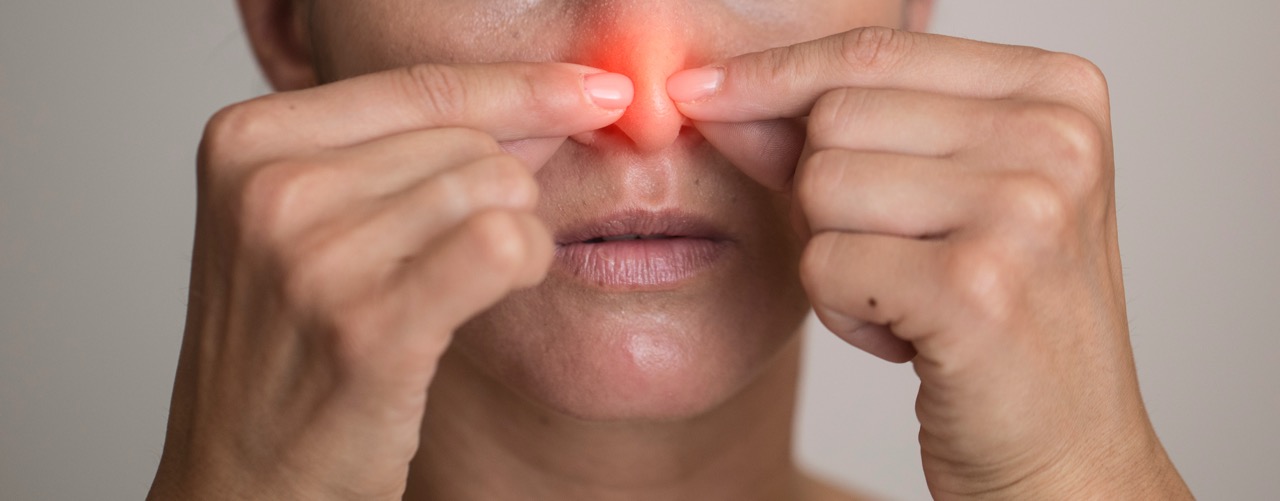 Your Guide to Deviated Septum Surgery, Before and After
At your first visit with Ear, Nose, and Throat (ENT) specialists, they will determine if a deviated septum causes your symptoms. Using a light and a speculum, they will look into your nostrils to check if the septum is crooked and blocking a nasal passage. If necessary, they might perform a nasal endoscopy or a CT scan for a clearer view. Additionally, they will look for other potential issues related to the deviation, such as sinus infections, inflamed membranes, enlarged adenoids or tonsils, and nasal congestion.
How Is a Deviated Septum Treated?
If your ENT specialist diagnoses you with a deviated septum, the first recommendation may be pursuing nonsurgical ways to treat swollen mucous membranes, such as:
- Decongestants
- Nasal sprays
- Antihistamines
If these medications don’t provide enough relief, your ENT specialist may talk to you about septoplasty.
What Is Septoplasty (Deviated Septum Surgery)?
Working through small incisions inside the nose, the surgeon will trim, reposition, or replace the cartilage to straighten and open up the blocked airway for better breathing.
How Long Does Deviated Septum Surgery Take?
This outpatient surgery generally takes 30 to 90 minutes and is usually performed under general anesthesia.
What Should You Expect To Plan for Before and After Deviated Septum Surgery?
Your ENT specialist and team will work with you to ensure you’re prepared for the surgery and recovery.
How Do You Get Ready for Deviated Septum Surgery?
Your doctor will ask for a list of medications you take and may advise you, for a period of time before and after the surgery, to stop taking certain medicines that could carry a risk of increased bleeding (such as aspirin or ibuprofen). Your doctor may also ask you to stop smoking if you are a smoker. Be sure to follow any other instructions, including when to stop eating and drinking before the surgery.
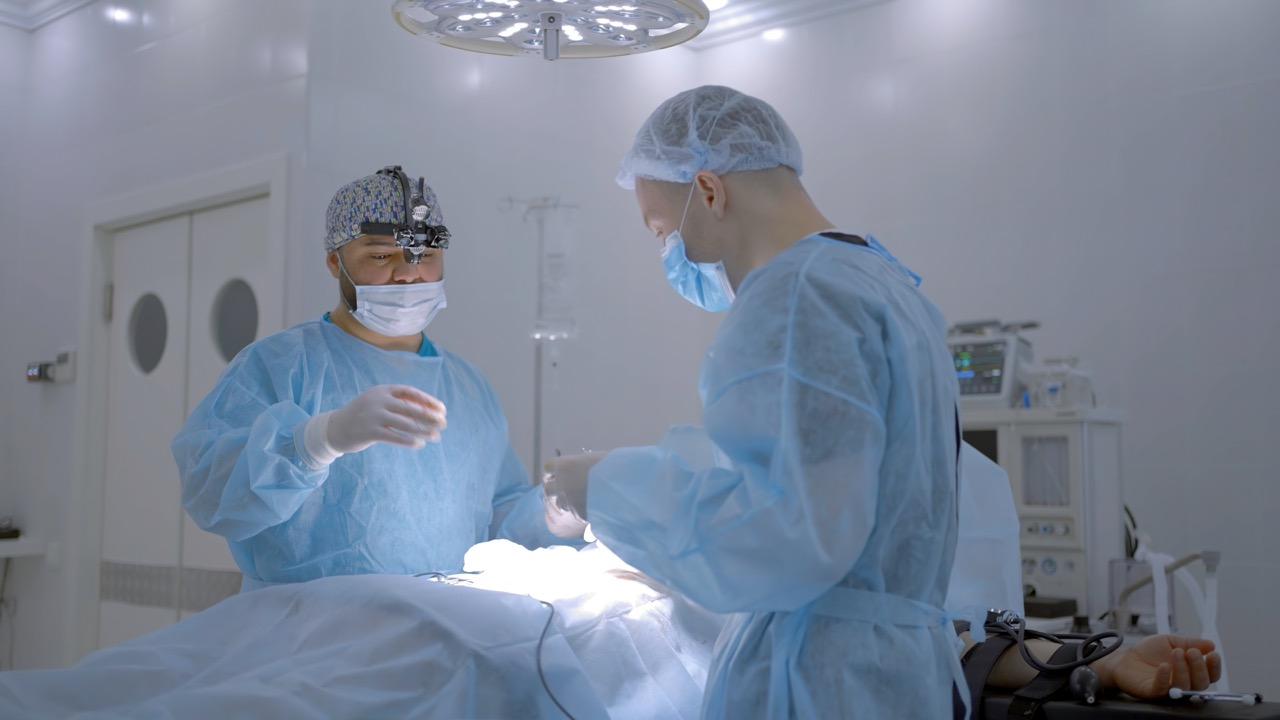 What Happens During Surgery?
During septoplasty, your surgeon will make small incisions inside your nose to access the septum. Your surgeon will then use small tools to trim, reposition, or replace the cartilage and bone to open up blocked airways, enhancing breathing and overall respiratory function.
After the procedure, your doctor will use absorbable sutures to close the incisions and may insert soft splints to support the newly aligned septum. Gauze packing inside your nose will help minimize bleeding post-surgery.
You’ll be in recovery for a little while after surgery so that the staff can watch for any complications. Then you’ll be allowed to leave the same day as long as your recovery is stable. A friend or family member will need to drive you home, as you will still be under the effects of anesthesia.
What Is Septoplasty Recovery Time?
The good news is that recovery post-deviated septum surgery is relatively short and uncomplicated, although it can take up to a year for the bone and cartilage to heal.
You’ll be told to rest at home for several days. Your surgeon will tell you when the packing can be removed, generally after a few days. You’ll also be prescribed pain medication to take as needed, as your nose will be swollen and tender from the surgery.
Some people wonder if there is extreme pain after septoplasty. Fortunately, this is uncommon. Many people describe mild to moderate pain, similar to a sinus infection.
Are There Any Deviated Septum Surgery Recovery Tips?
For a faster recovery, you’ll want to:
- Avoid blowing your nose for several weeks.
- Additionally. avoid crowds to keep the risk of catching a cold or flu to a minimum.
- Sleep with your head elevated.
- Avoid exercise and contact sports for up to five weeks.
- Avoid heavy lifting that could increase heart rate and blood pressure.
- Choose clothes that fasten in the front to avoid pulling them over your head and nose.
You’ll want to watch out for:
- Bleeding
- Signs of infection, including fever, pain, and unusual discharges
- Numbness in your teeth or nose
If you experience any of these symptoms during your recovery, contact your ENT specialist.
Does Septoplasty Change Nose Shape?
No, septoplasty doesn’t change the shape of your nose. That procedure is called rhinoplasty, although septoplasty can be combined with it.
 The Region’s Most Trusted ENT Specialists
If you’re having problems breathing or experiencing other deviated nasal septum signs and symptoms, make your first call to North Carolina Specialty Hospital’s ENT specialists. We have a long-standing history of almost 100 years of providing Triangle-area residents with cutting-edge medical services and superior patient care. You can trust that we’ll be there for you for every part of your septoplasty, before and after surgery.
Learn more about our Ear, Nose, and Throat Department. Then, request an appointment with an ENT specialist today by clicking on the ENT doctor’s photo and completing the form. We look forward to seeing you soon and helping you breathe easier.
RELATED NEWS

Deviated Septum Symptoms: More Than Just a Stuffy Nose
Experiencing deviated septum symptoms? Learn about treatment options and septoplasty at NCSH.
Continue Reading

Always Stuffy? Find Out If Enlarged Turbinates Treatment Is For You
North Carolina Specialty Hospital celebrates 100 years of patient-centered care, medical innovation, and state-of-the-art medical technology.
Continue Reading

What To Know About Ruptured Eardrums and Eardrum Repair Surgery
If a ruptured eardrum isn’t healing, don’t wait. Learn the symptoms, risks, and how eardrum repair surgery at North Carolina Specialty Hospital can restore hearing.
Continue Reading
Stay Current
Educational Articles & More
View News & Press