
Your Total Elbow Replacement Questions Answered
Total elbow replacement, also known as total elbow arthroplasty, is a surgical solution that helps alleviate severe elbow pain and dysfunction when nonsurgical treatments have proven inadequate. At NCSH, we specialize in these advanced orthopedic procedures, providing patients with the opportunity to regain function and improve their quality of life through expert care and cutting-edge technology.
Understanding Total Elbow Replacement Surgery at NCSH
This surgery can help patients return to their daily activities with reduced pain, better ease of movement, and improved range of motion.
What Is Total Elbow Replacement?
Total elbow arthroplasty surgery is a procedure that replaces the damaged components of the elbow joint, specifically the parts of the humerus and ulna, with artificial materials. These parts are typically made from a combination of metal and plastic, designed to mimic the natural movement and functionality of a healthy elbow joint.
Is Elbow Joint Replacement Surgery Right for You?
This surgery is particularly suited for individuals suffering from specific conditions that result in severe elbow pain and compromised functionality. These conditions include:
- Rheumatoid Arthritis: Characterized by severe joint damage due to inflammatory arthritis, patients can experience significant pain and reduced mobility. Rheumatoid arthritis elbow treatments can include this surgery.
- Osteoarthritis: Also known as degenerative “wear-and-tear” arthritis, it is characterized by the breakdown of cartilage and joint deterioration.
- Post-Traumatic Arthritis: This condition develops after an elbow injury, such as a fracture or dislocation, resulting in chronic pain and stiffness.
- Severe Fractures: These are complex fractures of the elbow that are beyond the scope of repair through traditional methods.
- Elbow Instability: Referring to a loose or unstable elbow joint that has not responded to other treatments, elbow instability surgery helps stabilize the joint.
Your Total Elbow Replacement Journey at NCSH
How do we ensure the best outcome for our patients?
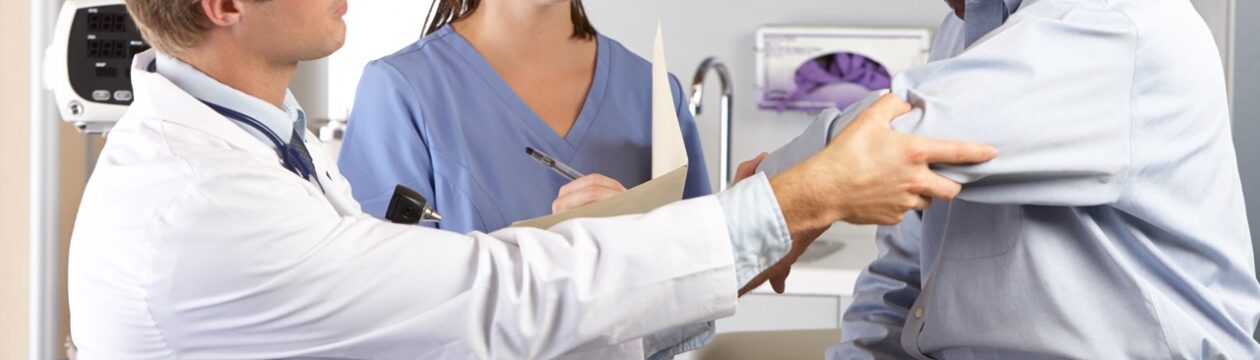
1. Expert Evaluation: Your journey begins with an initial appointment with one of our skilled orthopedic surgeons.
- The evaluation includes a physical examination, blood work, a thorough examination of your elbow, as well as reviews of imaging tests such as X-rays or CT scans, to determine if elbow replacement is the most suitable option.
2. Preparing for Surgery:
- Patients are provided with detailed instructions on how to prepare for surgery, including guidelines for adjusting medications and fasting requirements before the procedure.
3. The Surgery:
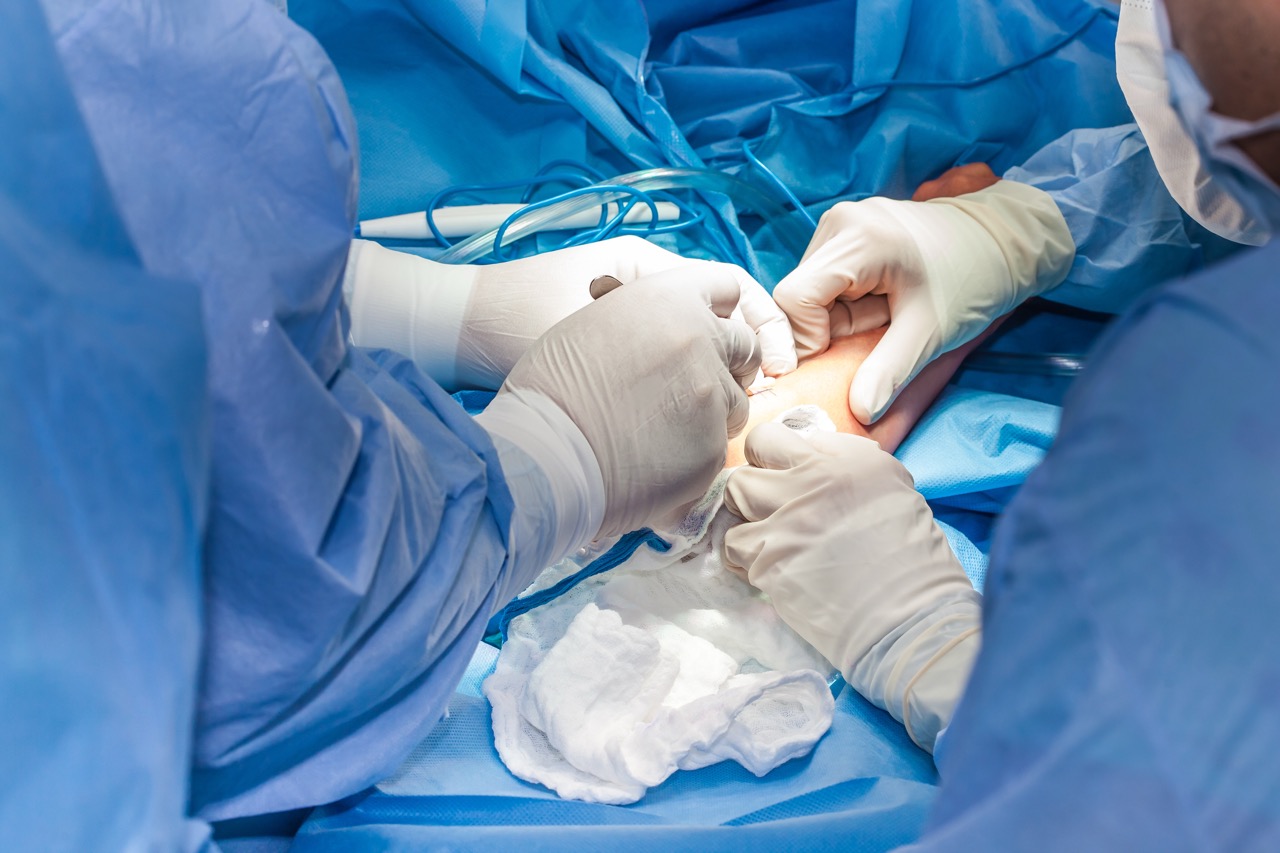
- The surgical team will expertly replace the damaged joint components with the artificial ones in our state-of-the-art facilities.
- Surgery can last one to two hours. Patients will probably be under general anesthesia.
4. Advanced Care & Recovery:
- After surgery, patients stay in private rooms, receiving attentive care from a dedicated nursing team with a 1:4 nurse-to-patient ratio, ensuring personalized attention during recovery.
- Some patients can go home the same day, while others may need to stay for one or two days, depending on their specific situation.
Recovery Time and Life After Elbow Replacement
Understanding what to expect in recovery sets clear expectations and goals. A comprehensive rehabilitation plan is tailored to each patient’s needs.
Initial Recovery
During this stage, the patient will be offered pain management options and learn about wound care immediately following the surgery.
Various medications, such as opioids, NSAIDs, and local anesthetics, are available for pain management. Doctors might combine these options to enhance pain relief while reducing reliance on opioids.
- Physical Therapy: A physical therapist will provide the patient with exercises to do at home.
- Splinting: During the first week, patients will have a soft splint on their arms. After the incision has healed, patients may transition to a more rigid splint or brace to protect the area.
- Home Care: Many patients arrange for assistance around the house or transportation, as mobility will be limited and driving is not permitted for six to eight weeks.
- Work: Some patients can return to work within a few weeks with restrictions, while those who drive or have physically demanding jobs may need to wait a few months to resume work.
Barring any complications, most patients can resume light daily activities and tasks within three to six weeks.
Long-Term Rehabilitation
Total recovery time for an elbow replacement can take up to a year. By then, many people report significant pain relief and improved daily function.
- Continue physical therapy and follow-up appointments to monitor progress and adjust the recovery plan as necessary.
- Patients can typically resume most daily activities with improved joint function over time. However, most will face limitations on how much weight they can lift to keep the joint from breaking or loosening.
The NCSH Advantage for Orthopedic Surgery
Choosing the right facility is crucial to the success of total elbow replacement. At North Carolina Specialty Hospital, we deliver top-tier orthopedic care with a commitment to excellence.
Physician-Led Expertise
Our board-certified orthopedic surgeons bring a wealth of expertise specifically tailored to joint replacement procedures. We provide care that is both comprehensive and personalized to meet each patient’s unique needs.
Physician-Owned Focus
As a physician-owned hospital, NCSH prioritizes patient safety and outcomes, with care tailored to meet individual patient needs for the best possible experience and results.
Innovative Surgical Technology
NCSH utilizes advanced surgical technology and techniques to enhance precision, accelerate recovery, and improve outcomes—making us a leader in orthopedic care.
Superior Patient Outcomes
At NCSH, your journey from consultation to follow-up is guided by our commitment to health, comfort, and personalized care. Serving patients across North Carolina, including Durham, Raleigh, Cary, Apex, and Fayetteville, we deliver expert orthopedic procedures—like total elbow replacements—focused on recovery and lasting well-being.
