
Dr. Trevor Carroll
EmergeOrtho
When chronic lower back pain continues despite physical therapy, medications, injections, or other conservative treatments, surgery may become an appropriate next step. For some patients with degenerative disc disease, spinal instability, or certain spinal deformities, anterior lumbar interbody fusion (ALIF) is one of several spinal fusion surgery options your surgeon may recommend.
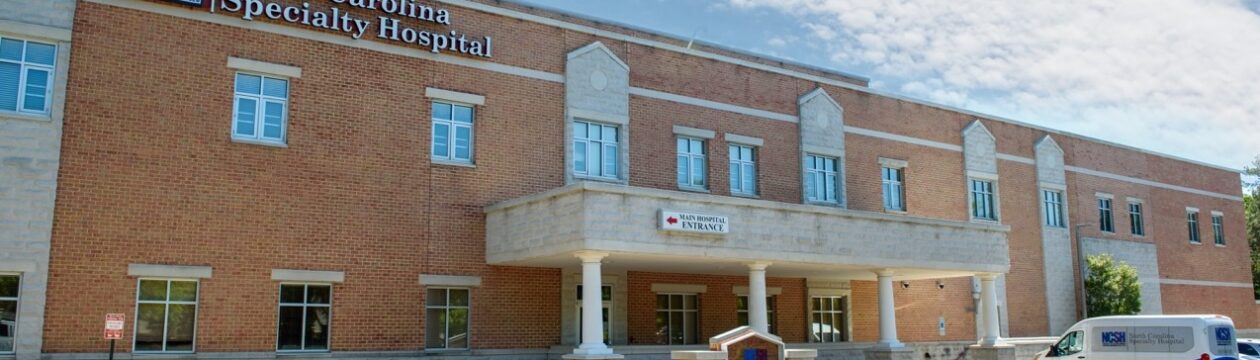
At North Carolina Specialty Hospital (NCSH), board-certified orthopedic spine surgeons perform advanced spine procedures. Every patient undergoes a comprehensive evaluation to determine whether an ALIF procedure, another form of lumbar spinal fusion, or a different treatment option is the most appropriate solution for their condition.
 Anterior lumbar interbody fusion is a type of anterior spine surgery that treats instability or damaged discs in the lower spine. Unlike traditional posterior fusion methods that approach the spine through the back, an anterior lumbar fusion accesses the lumbar spine through the front (abdomen).
Anterior spine surgery allows direct access to the damaged disc while preserving the major back muscles. When appropriate, additional instrumentation such as screws or rods may be used to improve spinal stability while the bones heal and fuse together.
ALIF may be recommended as part of degenerative disc disease surgical treatment options for patients with conditions including:
Not every patient is a candidate for ALIF. Your surgeon will consider your diagnosis, anatomy, overall health, and surgical goals before recommending an appropriate procedure.
Spine surgery requires precision, experience, and coordinated care. As a physician-owned specialty hospital focused on orthopedic and spine procedures, North Carolina Specialty Hospital provides an environment designed specifically for patients undergoing advanced musculoskeletal surgery.
Before surgery, your orthopedic spine surgeon will review imaging studies, discuss your symptoms, and determine whether ALIF is the right procedure for your condition.
During surgery, the surgeon carefully accesses the lumbar spine through the abdomen. This direct approach provides excellent visualization of the affected disc space while avoiding disruption of the major muscles of the back.
The targeted, damaged disc is removed, and to achieve optimal stability, the surgeon inserts an interbody spacer (cage) packed with bone graft material into the empty disc space. Depending on your condition, the surgeon may also place screws, rods, or other instrumentation to provide additional stability while the bone grafts fuse over time.
Potential advantages of this type of minimally invasive spine surgery may include:
 Understanding recovery after ALIF surgery can help patients prepare for the healing process. While every recovery is different, most patients begin moving shortly after surgery under the guidance of their healthcare team.
Because NCSH focuses exclusively on surgical patients, your postoperative recovery is managed by a team experienced in personalized spine care and includes:
While initial recovery time for spinal fusion soft-tissue healing occurs over six to 12 weeks, biological bone fusion is a gradual process taking several months to a year. Following your surgeon’s postoperative instructions and attending scheduled follow-up appointments are essential for achieving the best possible outcome.
ALIF is a spinal fusion procedure performed through the front of the body. The damaged lumbar disc is removed and replaced with an implant to help stabilize the spine while the bones fuse together.
ALIF is commonly considered for patients with degenerative disc disease, spondylolisthesis, or spinal instability who have not responded to conservative therapies. Spinal surgeons determine eligibility on a case-by-case basis.
Procedure length varies depending on the complexity of the surgery and the number of spinal levels being treated. Your surgeon can provide a more specific estimate during your consultation.
Because back muscles are not cut during the anterior approach, many patients experience less back muscle pain compared to posterior approaches. However, abdominal soreness and deep surgical site discomfort are normal and managed with personalized recovery plans.
Return-to-work timelines depend on your job duties. Desk work may resume within four to six weeks, while physically demanding occupations may require three to six months or longer. Your surgeon will provide individualized guidance.
Risks include infection, bleeding, blood clots, nerve damage, non-union of the fusion, and abdominal vessel injury. Your surgeon will review all potential risks during your consultation.
ALIF is considered a less muscle-disruptive approach because it avoids the major muscles of the back. However, whether it is classified as minimally invasive depends on the specific surgical technique used and your individual treatment plan.
ALIF achieves high fusion rates, close to 90%, and significant chronic lower back pain relief when performed on properly selected candidates by experienced spine surgeons.
If you have been told you may need spinal fusion surgery or are exploring advanced treatment options for chronic lower back pain, the experienced orthopedic spine specialists at North Carolina Specialty Hospital can help you understand your options.
Meet our spine and back specialists and schedule a comprehensive consultation to learn more about this procedure.
View News & Press