

Access your own patient portal, provided by NCSH.

Orthopedics
When To Have Bunion Surgery: Signs It May Be Time
Fri, Nov 20, 2026

If you’ve developed a noticeable bump near your big toe that has become painful or made certain shoes and activities uncomfortable, you may have a bunion. When a bunion starts interfering with everyday life, it’s natural to wonder whether surgery is needed. Knowing when to have bunion surgery starts with looking at your symptoms, how much they limit your daily activities, and whether nonsurgical treatments are still providing relief.
Understanding Bunions and Bunion Pain
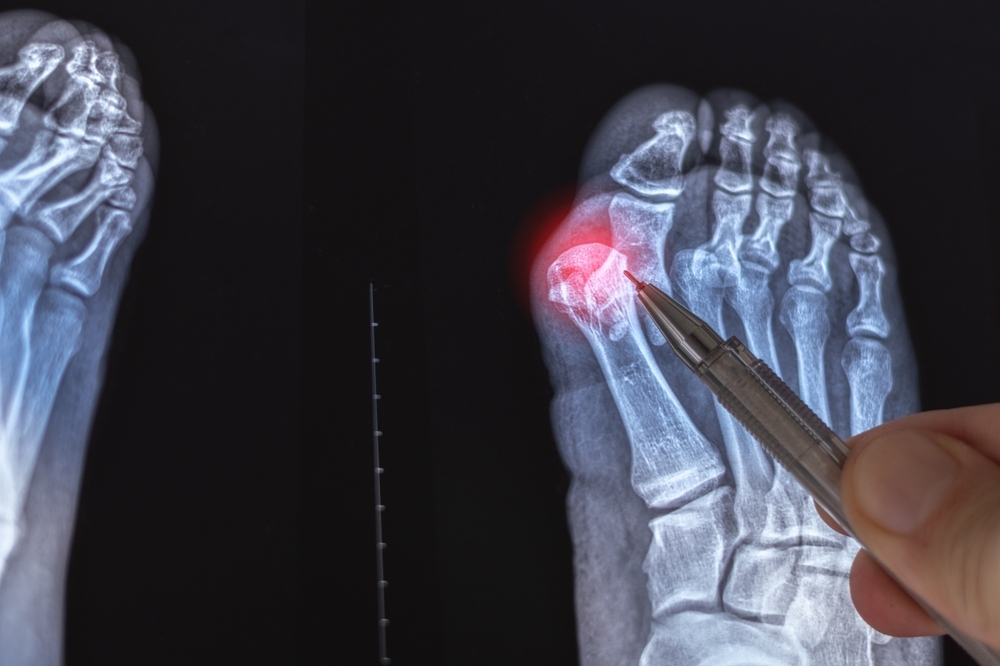
A bunion involves more than the bump you see on the side of your foot. It develops as the alignment of the bones in the front of the foot changes, causing the big toe to angle toward the other toes and the joint at its base to become more prominent. These changes may cause bunion pain, swelling, stiffness, or discomfort when wearing shoes.
Bunions can develop for several reasons, and there isn’t always one clear cause. Your foot’s structure and mechanics can play a role, and inherited foot characteristics may make some people more likely to develop them. Joint conditions, including rheumatoid arthritis, may also contribute to bunion development. Certain types of footwear, particularly shoes that crowd the toes, may worsen symptoms or make an existing bunion more painful.
Bunion Treatment Without Surgery: What Can Help?
Before considering surgery, several options can help relieve bunion pain and reduce pressure on the affected joint. Depending on your symptoms, nonsurgical bunion treatment may include:
- Roomier footwear: Shoes with a wide toe box can reduce pressure on the bunion and give your toes more space.
- Bunion pads or cushions: Padding can help protect the affected area from rubbing and irritation inside your shoes.
- Orthotics or shoe inserts: In some cases, inserts may help improve foot mechanics and redistribute pressure while you walk.
- Pain-relieving medication: Over-the-counter pain relievers or anti-inflammatory medications may help manage bunion pain and inflammation when appropriate. Ask your healthcare provider which medications are safe for you.
- Cold therapy: Applying an ice or cold pack for short periods may help reduce pain and swelling around the affected joint.
- Activity changes: Temporarily modifying activities that aggravate your symptoms may help reduce pain and inflammation.
These approaches can help manage symptoms, but they don’t correct the underlying changes in bone alignment. If you’ve tried nonsurgical care and still have persistent pain or difficulty with everyday activities, it may be worth having your symptoms reassessed.
When Are Bunions Bad Enough for Surgery?
No specific size or appearance determines when a bunion needs surgery. Instead, a foot and ankle specialist will typically consider how much pain you’re experiencing, how the bunion affects your daily life, and whether nonsurgical treatments have provided enough relief.
When is bunion surgery necessary? It may be worth discussing with a specialist if you’re experiencing:
- Persistent bunion pain: Pain continues despite changes in footwear or other nonsurgical treatments.
- Difficulty with everyday activities: Walking, exercising, working, or other activities have become uncomfortable or limited.
- Trouble wearing comfortable shoes: Even properly fitting, supportive shoes cause pain or pressure around the bunion.
- Ongoing swelling or tenderness: The area around the big toe joint remains irritated or inflamed.
- Stiffness in the big toe: Reduced movement in the joint makes walking or other activities more difficult.
- Changes in toe alignment: The big toe increasingly angles toward the other toes or begins to crowd them.
These signs don’t automatically mean you need surgery. However, how to tell if you need bunion surgery often comes down to whether your symptoms continue despite conservative treatment or are significantly affecting your quality of life. If pain or limitations persist, it may be time to have a foot and ankle specialist evaluate your bunion and help you determine whether surgery is an appropriate next step.

What To Expect From a Bunion Evaluation
During a bunion evaluation, your foot and ankle specialist will ask about your symptoms, how they affect you, and which treatments you’ve already tried. They’ll also examine your foot and may use X-rays to assess bone and joint alignment.
Your overall health, activity level, and treatment goals also factor into the decision. The evaluation doesn’t mean you’re committing to surgery. It’s an opportunity to understand your condition, ask questions, and discuss which options may be appropriate for you.
What Happens If You Need Bunion Surgery?
If surgery is recommended to relieve your symptoms and improve function, your foot and ankle specialist will discuss the recommended procedure and what to expect.
Bunion surgery generally involves correcting the position of bones and joints to improve alignment. The specific approach will depend on factors such as the severity of the bunion, the structure of your foot, and your individual needs.
Bunion surgery recovery varies depending on the procedure performed. You may need to limit weight-bearing or certain activities as your foot heals and then gradually return to your normal routine. Your foot and ankle specialist will provide instructions for protecting your foot, managing your activity, and supporting healing throughout your recovery.
Understanding what surgery and recovery may involve can help you make a more informed decision about your care. Learn more about bunion surgery, including treatment options and what to expect after your procedure.

Concerned About Bunion Pain? North Carolina Specialty Hospital Can Help
If bunion pain is limiting your activities or keeping you from doing the things you enjoy, you don’t have to decide on your own whether bunion surgery is right for you. North Carolina Specialty Hospital’s foot and ankle specialists can evaluate your condition, discuss your treatment options, and help you determine the right path forward based on your symptoms, lifestyle, and goals.
With specialized care for a broad range of foot and ankle conditions, our team works with you to find the treatment approach that best meets your needs. Schedule a consultation with a foot and ankle specialist at North Carolina Specialty Hospital today to learn more about your options.
RELATED NEWS

Top 5 Mistakes To Avoid During Your Knee Replacement Recovery
Learn the top knee replacement recovery mistakes, from avoiding physical therapy after knee surgery to ignoring pain and warning signs.
Continue Reading

Minimally Invasive Spine Surgery vs. Traditional Surgery
Compared to traditional spine surgery, minimally invasive procedures use smaller incisions, reduce risks, and lead to a faster, less painful recovery.
Continue Reading

Knee Replacement Recovery Time: Your Questions Answered
If knee pain has brought you to the point of considering surgery, you’re likely thinking beyond the procedure itself; you’re thinking about recovery. How long will it take? What will progress look like week by…
Continue Reading
Stay Current
Educational Articles & More
View News & Press