
Dr. Paul J. Kerner
EmergeOrtho

Plantar fasciitis is a common cause of heel pain. The plantar fascia is a ligament that runs along the bottom of the foot and supports the arch. Plantar fasciitis occurs when the tissue becomes damaged, inflamed, and irritated.
The plantar fascia absorbs impact and stress, but too much can cause damage. Risk factors for plantar fasciitis include having high arch feet and tight calf muscles, engaging in high-impact activities, and starting new activities. Most cases of plantar fasciitis can be treated nonsurgically. NCSH foot and ankle specialists offer plantar fasciitis surgery for persistent cases.
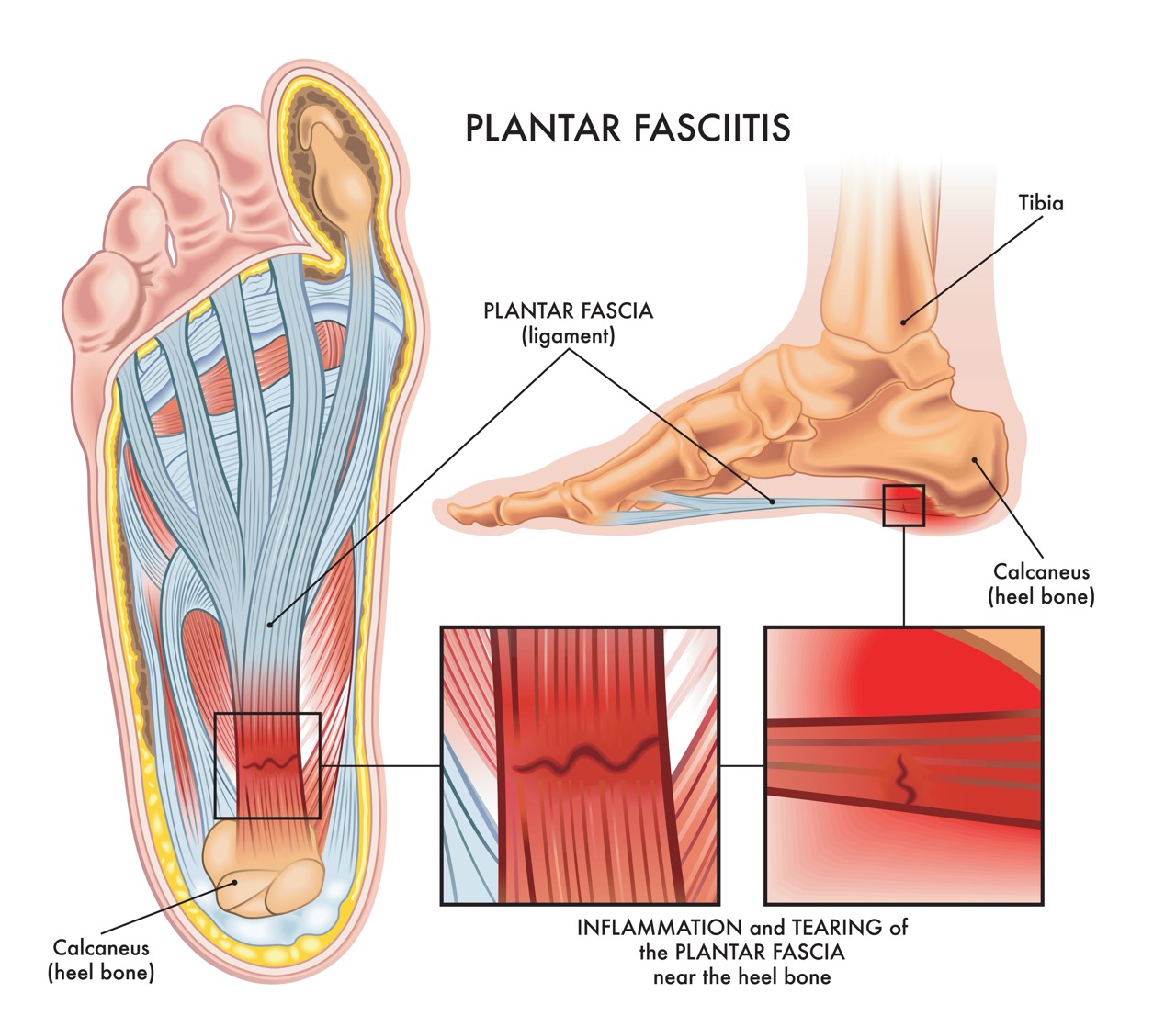 If you have persistent heel pain that limits your activity, it’s a good idea to see an orthopedist. First, they can determine if it’s plantar fascia heel pain or something else. Diagnosis includes a review of symptoms, a physical examination, and in some cases, imaging tests to rule out fractures or other causes of heel pain.
If it is plantar fasciitis, they can offer various management strategies and nonsurgical treatments. These include rest and changes in activity, a plantar fasciitis night splint, stretches, over-the-counter medications, supportive shoes, and plantar fasciitis physical therapy.
Up to 90% of patients with plantar fasciitis heal without surgery. For this reason, specialists usually reserve surgical treatment for those experiencing pain for six to twelve months, even with aggressive nonsurgical treatments.
Patients who are good candidates for surgery can obtain relief from a plantar fascia release procedure, also known as a fasciotomy. During the procedure, the surgeon partially detaches the fascia from the heel bone to relieve the tension that is causing pain. As it heals, the fascia should grow and lengthen.
To perform this as a minimally invasive procedure, the surgeon makes two small incisions under the ankle bone. They insert an endoscope, a small camera in one incision, and a surgical knife in the other to perform the release. This is typically an outpatient procedure. An open procedure requires a larger incision on the bottom of the foot.
Many people with plantar fasciitis also have bone spurs on the heel. The surgeon may remove these during the procedure.
 The primary benefit of plantar fasciitis surgery is pain relief. Releasing tension in the plantar fascia should lessen or completely remove heel pain after recovery. This should then allow the patient to resume more normal activities.
Any surgery comes with risks, but plantar fascia release can be done as a lower-risk, minimally invasive procedure. Potential complications include infection, nerve damage, ruptured plantar fascia and flattening of the arch. NCSH surgeons are skilled at performing these types of procedures and take all preventive measures to lower the risk of complications.
Recovery from endoscopic plantar fasciitis surgery is typically three to six weeks. You should be able to wear regular shoes within a day or two of the procedure. The exact timeline and expected milestones vary by individual. Your surgeon will give you detailed information about what to expect in recovery, as well as what you can and cannot do as the foot heals.
Recovery time is longer, usually up to six weeks, for open surgery. You will probably need to wear a special boot or use crutches after the procedure to allow the wound to heal and to avoid putting weight on it. Regardless of surgery type, most patients go through several weeks of physical therapy as part of the recovery process.
An orthopedist who specializes in foot and ankle injuries and conditions can diagnose the cause of your heel pain and recommend appropriate treatments.
For most people, plantar fasciitis heals after a few weeks or months of nonsurgical treatments and therapy.
Your orthopedist will help you determine if you are a good candidate for plantar fasciitis surgery. Most patients are not candidates for surgery because nonsurgical treatments are effective. You may need surgery if you do not get relief after several months of nonsurgical interventions.
Endoscopic plantar fasciitis surgery is a simple procedure that takes only 15 to 20 minutes. An open procedure might take a little bit longer.
It’s normal to have some pain after surgery, but without complications, it should not be severe or long-lasting. If the procedure is not successful, you might continue to have plantar fasciitis heel pain.
Your surgeon can tell you when you can resume activities. You should be able to go to work within a day or two, although you may need to wear a recovery boot. Resuming athletic and high-impact activities will take several weeks.
If you’ve been struggling to heal and get relief from plantar fasciitis, make an appointment for an evaluation by one of our skilled orthopedists.
View News & Press