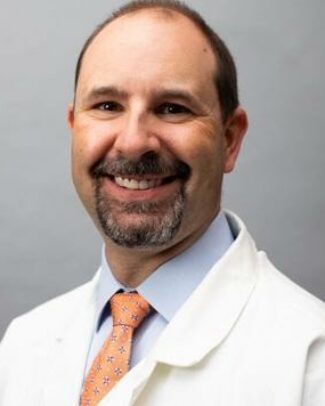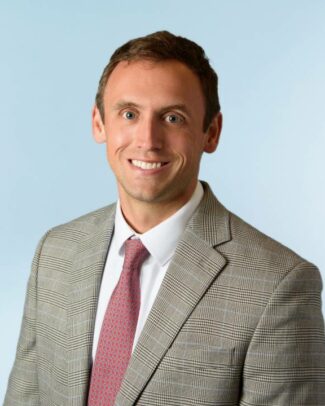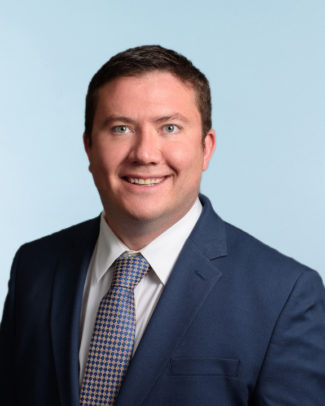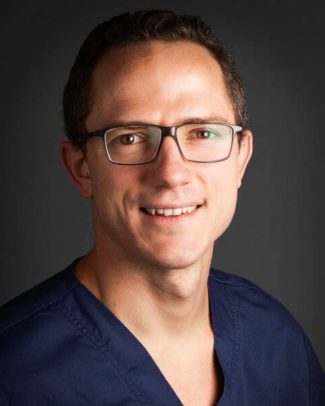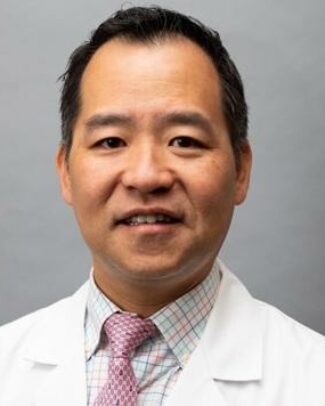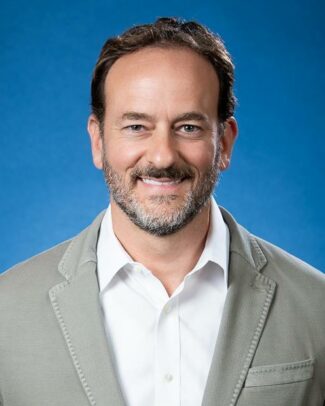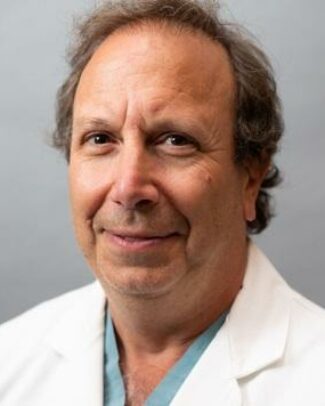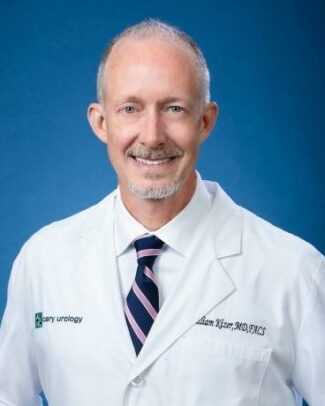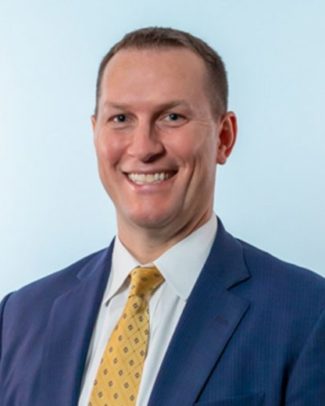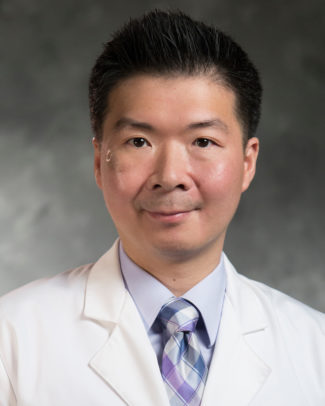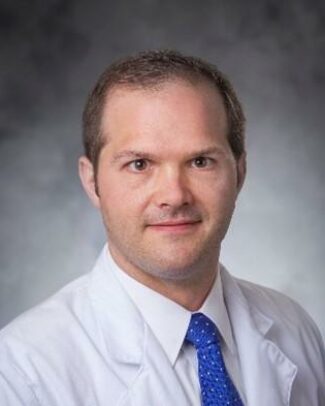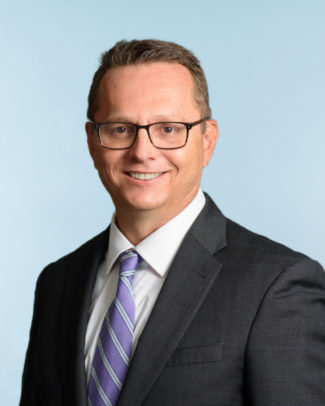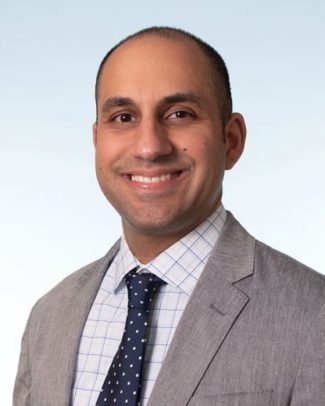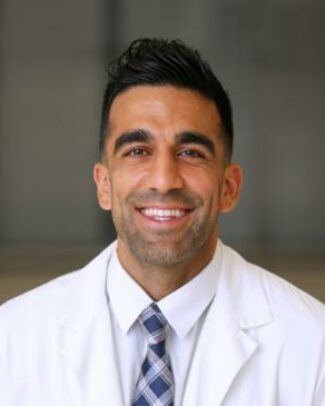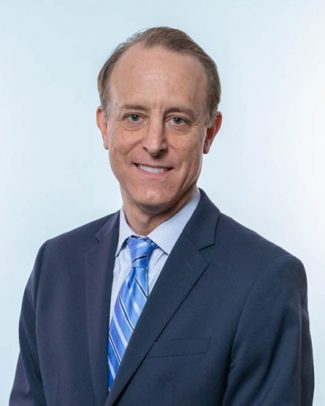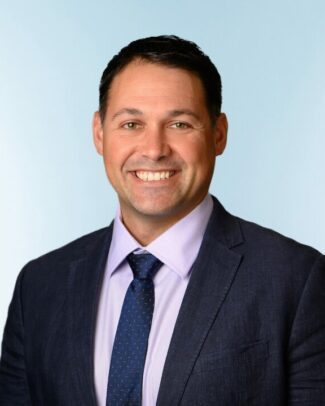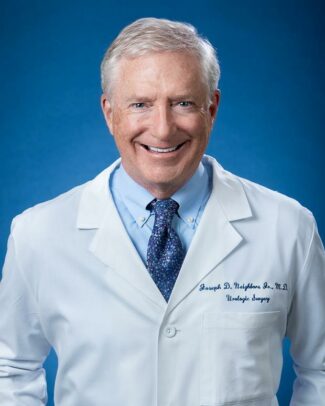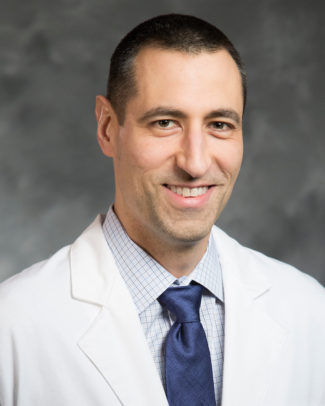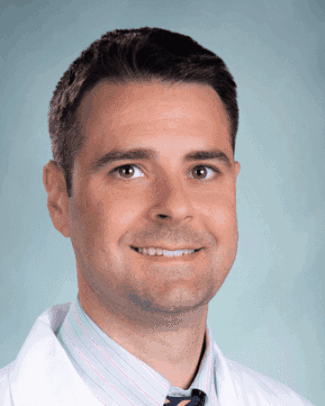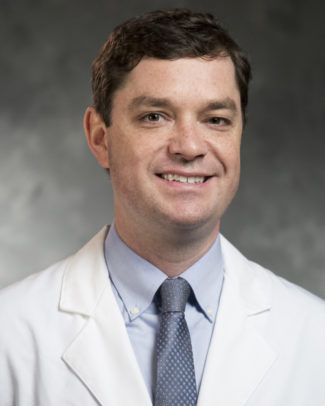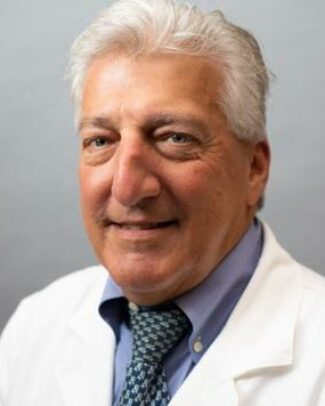
Dr. Yousef Abu-Salha
Associated Urologists of North Carolina

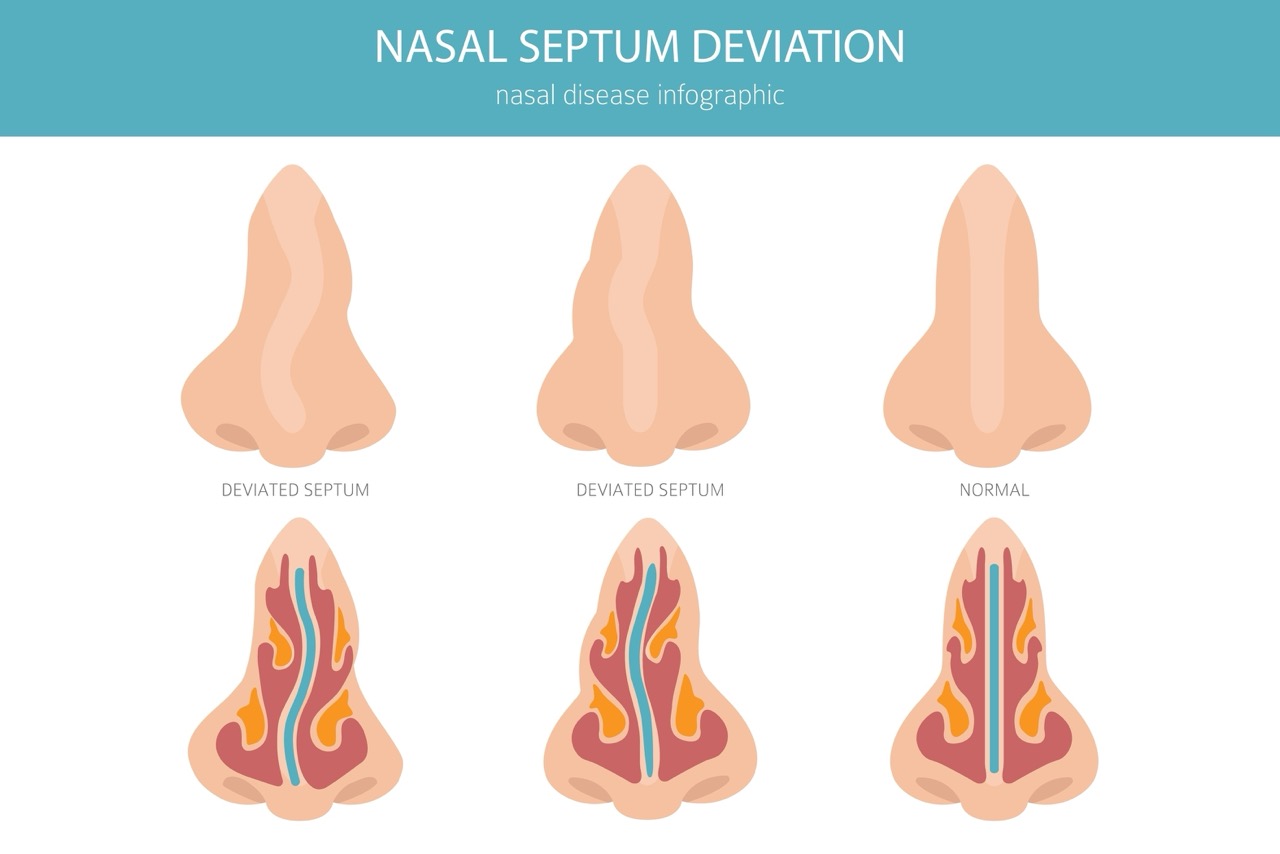
The nasal septum is a piece of bone and cartilage that divides the inside of the nose from left to right. In up to 80% of people, the septum is off-center, or deviated. In some people, this causes symptoms and complications.
Surgery for deviated nasal septum is called septoplasty, a procedure performed by otolaryngologists, also known as ear, nose, and throat specialists (ENTs). Not everyone with a deviated septum needs this procedure, but for many it can relieve symptoms and prevent complications.
The septum divides the nasal cavity, supports the structure of the nose, and regulates air flow through the nose. It can become deviated, or crooked, blocking a nostril and impeding air through the nose. Some people are born with a deviated septum, but it can also result from an injury.
Possible symptoms and complications of a deviated septum include:
As discussed on our page about sinus surgery, a deviated septum can be a significant contributor to chronic sinusitis and other ENT issues. It’s worth talking to a specialist to find out if your septum is causing some of your troubling symptoms.
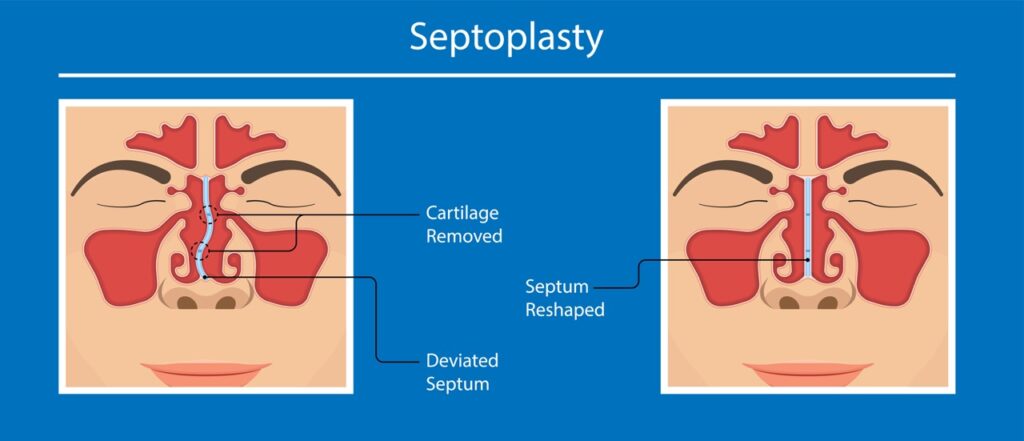
 Septoplasty is the surgical procedure used to correct any issues with the septum, including a deviated septum. It is usually done on an outpatient basis with local or general anesthesia. Surgeons can often go through the nostrils, so there are no external incisions. If not, they will make a small incision on the side of the nose to access the septum.
During a septoplasty, the surgeon first lifts the mucous membrane covering the septum. They then adjust deviated parts of the septum to straighten it. They might also remove parts of the septum to ensure better airflow through the nose.
After they have finished the procedure, the surgeon will reposition the mucous membrane. They may insert soft packing material or splints into the nostrils. This helps hold the tissue in position. It also prevents nosebleeds and reduces scar tissue development.
Septoplasty is among the most common procedures performed by ENT surgeons. The ENTs at NCSH are experienced with the surgery and focus on positive outcomes and patient comfort and care.
Most patients experience significant benefits from septoplasty. These include:
Although it is a common and relatively simple procedure, there are some potential risks:
 Even though it’s typically a simple outpatient procedure, it helps to know what to expect before and after deviated nasal septum surgery.
Before a septoplasty, your surgeon will examine you and discuss the procedure. They might request some diagnostic tests, although this isn’t common. They’ll explain what will happen, what benefits you can expect from the surgery, what the risks are, and what a deviated nasal septum surgery recovery timeline is.
Your surgeon will tell you about anything you need to do to prepare for the procedure. For example, you might need to stop taking certain medications or avoid food and drink in the hours leading up to surgery.
After the procedure, you might have packing placed in your nostrils. Your surgeon will tell you how long to leave it in place. They will talk to you about the expected timeline for recovery, how to manage pain, and when to come back in for a follow-up.
Most patients go home the same day as the procedure and remove the packing after a day or two. You should sleep with your head elevated for a few nights after the surgery and avoid blowing your nose for several days.
Expect your breathing to improve quickly but healing to take longer. You may need to avoid or limit physical activity for several weeks. It can take up to a year for nose cartilage to fully heal. For best results, follow septoplasty recovery tips provided by your surgeon.
Septoplasty is a surgical procedure to straighten a deviated septum, which occurs when the septum between nasal cavities is crooked.
Septoplasty and sleep apnea can go together in that the procedure to repair a deviated septum can relieve the sleep disorder by making it easier to breathe at night.
A typical septoplasty takes 60 to 90 minutes. It is usually an outpatient procedure.
Your surgeon will tell you how long you should sleep upright and avoid side sleeping. Generally, patients should avoid sleeping on their side for about a week after the procedure.
Your surgeon will give you a timeline for returning to various activities. You should be able to do most things within a day or two, but you will need to limit physical activities, like exercise or sports, for several weeks.
Signs of infection after septoplasty include worsening pain, swelling, redness, and a fever. Other complications include excessive bleeding, difficulty breathing, severe headaches, or neck stiffness.
NCSH septoplasty surgeons are skilled and experienced ENT specialists. The entire NCSH team is committed to patient-centered care. Our specialty is you.
Learn more about ENT procedures and how they can help relieve symptoms, like those caused by a deviated septum. Our ENT specialists can provide an evaluation and appropriate treatment options.
View News & Press